Hair trends continue to evolve every year, but only a handful of hairstyles remain consistently popular among men of all ages. One of those timeless styles is the low taper fade. Whether seen on athletes, musicians, actors, business professionals, or students, the low taper fade has become one of the most requested haircuts in modern barbershops.
Unlike dramatic fades that remove a significant amount of hair from the sides, the low taper fade delivers a subtle, polished, and sophisticated appearance. It creates a clean transition from longer hair to shorter hair while maintaining a natural-looking finish around the ears and neckline. Because of its versatility, the low taper fade complements nearly every face shape, hair texture, and personal style.
If you’re considering a hairstyle that is fashionable, professional, and easy to customize, this comprehensive guide explains everything you need to know about the low taper fade, including its history, styling variations, maintenance, suitability, and why it remains one of today’s most influential men’s hairstyles.
Quick Overview Table
| Feature | Details |
|---|---|
| Haircut Name | low taper fade |
| Haircut Type | Taper Fade |
| Popularity | One of the most requested men’s haircuts |
| Best For | All face shapes and hair textures |
| Maintenance Level | Moderate |
| Styling Difficulty | Easy to Moderate |
| Suitable Hair Length | Short, Medium, and Long |
| Professional Friendly | Yes |
| Modern Trend | Extremely Popular |
| Barber Visits | Every 2–4 Weeks |
What Is a Low Taper Fade?
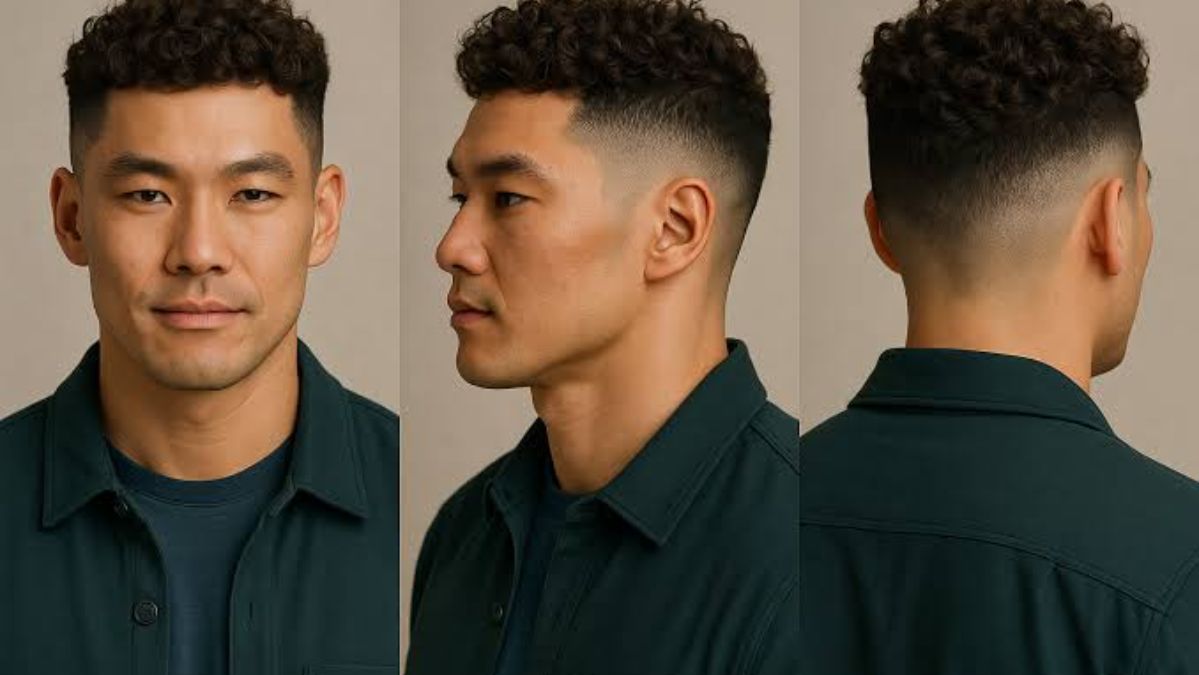
The low taper fade is a haircut where the hair gradually shortens starting just above the ears and neckline. Unlike a mid or high fade, the fade begins lower on the head, preserving more hair around the temples and sides.
This gradual transition creates a balanced appearance that is neither too bold nor too conservative. It provides clean edges while maintaining enough hair to give the hairstyle texture and depth.
The reason the low taper fade remains so popular is its adaptability. It works equally well with curly hair, straight hair, wavy hair, thick hair, and even fine hair. It also pairs effortlessly with countless hairstyles on top, making it one of the most versatile haircuts available today.
The History Behind the Low Taper Fade
Although fading techniques have existed for decades, modern barbering has elevated them into an art form. The taper haircut became especially popular during the mid-20th century, when military grooming standards influenced civilian hairstyles.
As barbering evolved, professionals developed different fade heights, including high fades, mid fades, skin fades, drop fades, burst fades, and eventually the low taper fade.
Today, social media, celebrity culture, sports personalities, and fashion influencers have helped transform the low taper fade into a worldwide hairstyle trend. Modern barbers continue introducing creative variations while maintaining the haircut’s timeless elegance.
Why the Low Taper Fade Is So Popular
Several reasons explain why the low taper fade has become one of the most frequently requested hairstyles.
Timeless Appearance
Fashion trends come and go, but clean grooming never goes out of style. The low taper fade offers a neat appearance suitable for every generation.
Suitable for Every Occasion
Whether attending a business meeting, wedding, university class, or casual gathering, this haircut always looks appropriate.
Highly Customizable
The top can remain long, short, textured, curly, slicked back, or messy while the fade provides structure.
Easy to Maintain
Although regular trims help preserve the fade, daily styling requires minimal effort.
Works with Every Hair Type
Few hairstyles perform equally well across all hair textures. The low taper fade is one of those rare exceptions.
Different Types of Low Taper Fade
One of the greatest advantages of the low taper fade is its flexibility. Below are some of its most popular variations.
Classic Low Taper Fade
This traditional version maintains a conservative appearance while gradually blending around the ears and neckline.
Ideal for:
- Office professionals
- Students
- Formal occasions
- Everyday wear
Low Taper Fade with Textured Crop
Adding texture on top creates a modern hairstyle full of movement and volume.
Benefits include:
- Minimal styling
- Contemporary appearance
- Excellent for thick hair
- Great for younger men
Low Taper Fade with Curly Hair
Natural curls pair exceptionally well with the clean sides created by the low taper fade.
Advantages include:
- Defines curls
- Reduces bulk
- Easier maintenance
- Stylish appearance
Low Taper Fade with Pompadour
The pompadour adds volume while the fade keeps the sides clean.
This combination creates a sophisticated hairstyle suitable for business and formal events.
Low Taper Fade with Side Part
A side part creates an elegant, timeless style.
This version works particularly well in professional environments because it combines traditional grooming with modern barbering techniques.
Low Taper Fade with Slick Back
Slicking the hair backward creates a refined appearance.
This style is popular among pofessionals who prefer a polished and confident image.
Low Taper Fade with Buzz Cut
Even extremely short hair benefits from subtle fading.
The haircut becomes cleaner while maintaining simplicity.
Low Taper Fade with Quiff
The quiff provides volume and personality while maintaining balanced proportions.
This combination remains popular among fashion-conscious individuals.
Which Face Shapes Suit the Low Taper Fade?
The low taper fade complements nearly every facial structure.
Oval Face
Almost every hairstyle suits oval faces, making the low taper fade an excellent option.
Round Face
Keeping additional height on top helps elongate the face.
Square Face
The haircut enhances strong jawlines while maintaining balanced proportions.
Diamond Face
Extra hair around the temples creates visual harmony.
Heart Face
The gradual taper balances wider foreheads and narrower chins.
Hair Types That Work Best
Another reason barbers frequently recommend the low taper fade is its compatibility with various hair textures.
Straight Hair
Produces crisp lines and a smooth finish.
Thick Hair
Removes excess bulk while maintaining fullness.
Fine Hair
Creates the illusion of greater density.
Curly Hair
Highlights natural curl definition beautifully.
Wavy Hair
Enhances movement while keeping the overall hairstyle controlled.
Low Taper Fade vs Mid Fade
Many people confuse these two hairstyles.
| Low Taper Fade | Mid Fade |
| Starts near ears | Starts around temples |
| Conservative | More noticeable |
| Professional appearance | Sporty appearance |
| Natural transition | Stronger contrast |
| Great for everyday wear | Great for bold styles |
Low Taper Fade vs High Fade
The high fade removes considerably more hair from the sides.
The low taper fade provides:
- Softer transition
- More natural appearance
- Better versatility
- Professional styling
- Easier adaptation to longer hairstyles
Styling Tips for the Low Taper Fade
Maintaining the hairstyle requires only a few quality products.
Matte Clay
Provides natural texture without excessive shine.
Pomade
Perfect for classic hairstyles like side parts and slick backs.
Sea Salt Spray
Adds texture and lightweight volume.
Hair Cream
Keeps longer hairstyles soft while reducing frizz.
Hair Wax
Offers flexible hold for textured styles.
Barber Tips Before Getting a Low Taper Fade
Clear communication helps your barber achieve the best results.
Consider discussing:
- Desired fade height
- Hair length on top
- Neckline preference
- Beard blending
- Styling routine
- Daily maintenance expectations
Bringing reference photos also improves communication.
Maintenance Guide
Although the low taper fade is relatively easy to maintain, consistent grooming preserves its sharp appearance.
Recommended schedule:
- Haircut every 2–4 weeks
- Shampoo 2–3 times weekly
- Condition regularly
- Use lightweight styling products
- Keep neckline clean
- Brush daily
Does the Low Taper Fade Work with Beards?
Absolutely.
Professional barbers often blend the fade into the beard, creating a seamless transition.
Popular beard pairings include:
- Short boxed beard
- Stubble
- Full beard
- Goatee
- Designer beard
Proper blending creates a cleaner overall appearance.
Celebrity Influence
Many celebrities have helped increase the popularity of the low taper fade by pairing it with different hairstyles. Professional athletes frequently choose it because it stays neat during competition while remaining stylish off the field. Musicians often customize the haircut with textured tops or curls, while actors appreciate its polished appearance for both casual and formal settings.
Rather than being associated with a single trend, the low taper fade has become a universal haircut that adapts to changing fashion while maintaining its classic appeal.
Common Mistakes to Avoid
Even an excellent haircut can lose its appeal if not properly maintained.
Avoid these common mistakes:
- Waiting too long between barber visits
- Using excessive styling product
- Ignoring beard maintenance
- Choosing the wrong fade height
- Skipping conditioner
- Neglecting regular washing
Consistent care helps the haircut retain its clean and modern appearance.
Why Barbers Recommend the Low Taper Fade
Professional barbers appreciate this haircut because it offers flexibility and suits a wide variety of clients. It allows them to customize the top while maintaining a universally flattering fade around the sides and neckline.
The low taper fade is also forgiving as hair grows out. Unlike more dramatic fades that quickly lose definition, this style remains attractive even after several weeks, making it a practical option for busy individuals.
Seasonal Benefits
Summer
The tapered sides improve comfort while keeping the hairstyle breathable.
Winter
The slightly longer sides offer additional warmth compared to higher fades.
Spring
Pairs perfectly with fresh, textured hairstyles.
Autumn
Looks excellent with fuller hairstyles and beard combinations.
Choosing the Right Barber
A quality barber understands head shape, hair growth patterns, and blending techniques. When selecting a barber:
- Review previous work.
- Ask about fade experience.
- Discuss your preferred hairstyle.
- Be clear about the amount of length you want to keep.
- Schedule regular maintenance appointments.
An experienced barber can personalize the low taper fade to complement your features and lifestyle.
The Future of the Low Taper Fade
Hair trends constantly evolve, yet the low taper fade continues to remain relevant. Its adaptability allows it to blend with modern cuts such as textured crops, messy hairstyles, curly tops, and longer styles without losing its timeless appeal.
As fashion shifts toward clean, versatile grooming, this haircut is expected to remain one of the most requested styles in barbershops worldwide.
Frequently Asked Questions
What is a low taper fade?
A low taper fade is a haircut where the hair gradually becomes shorter around the ears and neckline while leaving more length on the sides compared to higher fades.
Is the low taper fade suitable for professional workplaces?
Yes. It offers a clean and polished appearance that fits both corporate and casual environments.
How often should I get a low taper fade?
Most people benefit from a trim every two to four weeks to maintain the sharp fade.
Does the low taper fade work with curly hair?
Yes. It enhances curl definition while reducing excess bulk around the sides.
Can I combine a beard with a low taper fade?
Absolutely. Blending the fade into the beard creates a seamless and stylish look.
Is the low taper fade good for teenagers?
Yes. It is one of the most popular hairstyles among teenagers because it is fashionable, versatile, and easy to style.
Which styling product is best?
The ideal product depends on your hairstyle. Matte clay, pomade, wax, cream, and sea salt spray are all popular choices.
Does the low taper fade suit all face shapes?
Yes. With small adjustments to the hairstyle on top, it can complement nearly every face shape.