Politics often shapes the future of communities, and few leaders have remained as consistently involved in public service as Vincent Hughes. Known for his dedication to education reform, healthcare access, civil rights, and economic equality, Hughes has spent decades serving the people of Pennsylvania. Over the years, he has become one of the most recognizable Democratic leaders in the state while also gaining national attention through his marriage to actress and activist Sheryl Lee Ralph.
From humble beginnings in Philadelphia to becoming a senior state senator, Vincent Hughes has built a career centered on advocacy and community development. His long political journey reflects persistence, leadership, and commitment to public welfare.
Quick Bio of Vincent Hughes
| Full Name | Vincent J. Hughes |
|---|---|
| Date of Birth | October 26, 1956 |
| Age | 69 Years (as of 2026) |
| Birthplace | Philadelphia, Pennsylvania, USA |
| Nationality | American |
| Profession | Politician |
| Political Party | Democratic Party |
| Current Position | Pennsylvania State Senator |
| Senate District | 7th District |
| Education | Temple University |
| Spouse | Sheryl Lee Ralph |
| Known For | Public Service & Political Leadership |
| Years Active | 1980s–Present |
Early Life and Education
Vincent Hughes was born and raised in Philadelphia, Pennsylvania. Growing up in a working-class environment helped him understand the struggles faced by ordinary families. These experiences later shaped many of his political priorities, including affordable housing, education funding, and healthcare reform.
Hughes attended Temple University, where he further developed his interest in leadership and community service. Before entering politics, he worked as a library administrator at the University of Pennsylvania. His early professional experiences exposed him to education systems and public administration, which later became central themes in his political agenda.
He also became involved with labor organizations, particularly the American Federation of State, County and Municipal Employees (AFSCME). This involvement strengthened his connection to workers’ rights and economic equality issues.
Beginning of His Political Career
Vincent Hughes first entered the political world during the 1980s. Like many politicians, his journey was not immediately successful. He initially lost a Democratic primary race in 1984. However, instead of stepping away from politics, he continued building relationships within his community and strengthening his public image.
In 1986, Hughes won election to the Pennsylvania House of Representatives for the 190th District. His victory marked the beginning of a long and influential political career. He served in the House from 1987 to 1994, gaining experience in legislative work and community advocacy.
During this period, Hughes earned recognition for addressing issues affecting low-income families, minority communities, and public education systems.
Rise to the Pennsylvania State Senate
In 1994, Vincent Hughes achieved a major milestone when he won a special election to the Pennsylvania State Senate. Representing the 7th Senatorial District, Hughes became one of the leading Democratic voices in Pennsylvania politics.
His district includes parts of Philadelphia and Montgomery County, areas with diverse populations and significant economic challenges. Throughout his time in the Senate, Hughes focused heavily on improving the quality of life for residents in these communities.
Over the years, he has served on multiple committees and eventually became the Democratic Chair of the Senate Appropriations Committee. In this role, Hughes has been responsible for reviewing state budgets, advocating for public funding, and addressing financial priorities affecting Pennsylvania residents.
Major Political Priorities
One reason Vincent Hughes has remained influential for decades is his consistent focus on issues that directly impact ordinary citizens.
Education Reform
Education has always been one of Hughes’ biggest priorities. He strongly supports increased funding for public schools and affordable higher education opportunities. Hughes believes education plays a critical role in reducing poverty and creating economic opportunities for future generations.
He has frequently criticized budget cuts affecting schools and has advocated for fair distribution of educational resources across Pennsylvania.
Healthcare Access
Hughes has also been a strong supporter of accessible healthcare services. He has promoted policies aimed at expanding healthcare coverage, improving mental health resources, and supporting hospitals in underserved communities.
His healthcare advocacy became especially important during national debates about healthcare reform and public health crises.
Criminal Justice Reform
Another key issue in Hughes’ political career has been criminal justice reform. He has supported initiatives designed to reduce mass incarceration, improve rehabilitation programs, and address racial disparities within the justice system.
He also helped establish programs supporting children whose parents are incarcerated. These initiatives aimed to provide emotional, educational, and financial assistance to vulnerable families.
Gun Violence Prevention
Gun violence has been a major concern in Philadelphia and other urban areas of Pennsylvania. Hughes has consistently supported stronger gun safety measures and community violence prevention programs.
He has argued that public safety requires both law enforcement solutions and investment in education, employment, and youth programs.
Leadership in Civil Rights Advocacy
Vincent Hughes has long been associated with civil rights advocacy and progressive political movements. During the early 1990s, he served as chairman of the Pennsylvania Legislative Black Caucus.
In this leadership role, Hughes focused on policies affecting African American communities, including economic opportunities, educational equality, and criminal justice reform.
Throughout his career, he has often spoken about systemic inequality and the importance of creating opportunities for marginalized communities.
His civil rights work has earned him recognition from advocacy organizations and political groups across Pennsylvania.
Marriage to Sheryl Lee Ralph
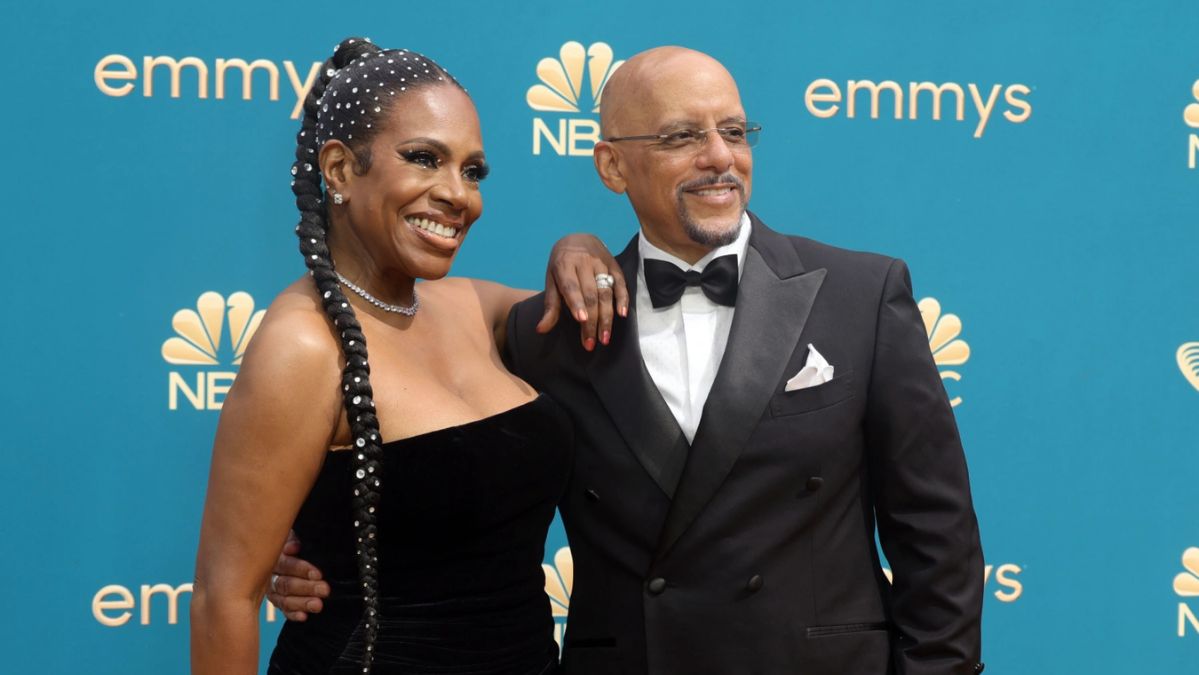
Outside politics, Vincent Hughes gained wider public attention through his marriage to actress and singer Sheryl Lee Ralph. Ralph is widely known for her performances in television, film, and Broadway productions.
The couple reportedly met through a mutual friend in the early 2000s and married on July 30, 2005. Their relationship has often been praised because they successfully maintain a long-distance marriage due to their professional commitments in different cities.
Despite their busy schedules, Hughes and Ralph frequently appear together at award shows, charity events, and political functions. They are often viewed as a powerful and supportive couple balancing entertainment and public service careers.
Their marriage also reflects shared interests in activism, education, and community development.
Community Involvement and Public Service
Vincent Hughes has remained active in community initiatives throughout his political career. He has supported scholarship programs, youth mentorship efforts, and anti-violence campaigns.
One notable initiative connected to Hughes is the First Chance Fund, which supports children of incarcerated parents. The program aims to provide educational assistance and emotional support to young people facing difficult family circumstances.
He has also worked closely with religious and nonprofit organizations in Philadelphia to improve neighborhood development and social services.
Many supporters view Hughes as a politician who maintains close ties with local communities rather than focusing only on statewide politics.
Challenges and Criticism
Like most long-serving politicians, Vincent Hughes has faced criticism during his career. Political opponents have occasionally questioned budget decisions, legislative priorities, and Democratic leadership strategies in Pennsylvania.
Some critics argue that long-term politicians become too connected to party politics. However, Hughes’ supporters counter that his experience and long-term community relationships have made him an effective advocate for his district.
Despite political challenges, Hughes has continued winning reelection and remains an influential figure in Pennsylvania politics.
Legacy and Influence
After decades in public office, Vincent Hughes has established a legacy centered on advocacy, education, and social justice. His work has impacted thousands of Pennsylvania residents through public funding initiatives, healthcare advocacy, and community development programs.
His ability to remain politically relevant for so many years highlights his strong connection with voters and his willingness to address evolving social issues.
Many younger political leaders in Pennsylvania view Hughes as a mentor and experienced policymaker who understands both grassroots activism and legislative strategy.
As politics continues to evolve, Vincent Hughes remains an important voice in discussions surrounding education, healthcare, civil rights, and economic equality.
Final Thoughts
Vincent Hughes represents a generation of political leaders dedicated to long-term public service and community advocacy. From his beginnings in Philadelphia to becoming a respected Pennsylvania State Senator, Hughes has consistently focused on improving opportunities for working families and underserved communities.
His political career demonstrates persistence, leadership, and commitment to public welfare. Whether advocating for education funding, healthcare access, or criminal justice reform, Hughes has maintained a reputation as a politician deeply connected to the needs of his constituents.
For readers interested in political leadership, civil rights advocacy, and long-serving public officials, Vincent Hughes offers an inspiring example of dedication to community service. At infoloop, stories like his continue to highlight the importance of leadership that prioritizes people and progress.